Tag Archives: approach

5 Key Inhibitors To Delivering Your Digital Strategy

implementation


I find I often think, talk and blog about the speed of execution of digital strategies! Maybe because not many people understand this basic formula:

Faster Implementation = Quicker Realised Benefit

The sooner you deliver your strategy, the sooner your customers will reap the benefits and value of it. It sounds obvious, but if it is, why do so many companies fail to deliver?

I have some theories and below are some of the things to watch out for…and happy to hear of others you’ve heard of.

  1. Waiting for perfection! I used to be guilty of this a few years ago. Not anymore though. Get comfortable with the 20/80 rule! i.e. going live with 20% of what you want to deliver is OK. Just have a plan to quickly and iteratively deliver the remaining 80%.
  2. Delivering in a matrix. Often I hear that if one party isn’t comfortable with the direction, the whole project stops. Solution is don’t tell anyone you’re doing it. Keep your focus small and under the radar. Success is impossible to argue against.
  3. The boss! Sometimes the bosses view has the greatest weight but matters the least! Move from direction to opinion and once you’ve done that, help them understand their opinion has less weight than that of the customers. Hey, I didn’t say this was easy!
  4. Analysis paralysis. Cant make a decision because you don’t have all the answers to all the questions you have? Each question opens up another 3 questions? Just stop. Whatever data you have is no where near as good as you’re going to have once your strategy is live.
  5. Competition! Watching the competition, wondering what their next step is, trying to plan to do what they’re doing but better is a sure fire way to delivering nothing. Take the guess work out and just do something. That will be the springboard to enable you to beat the competition.

If you have any other inhibitors, drop me a line and I’ll update the post with your name and entry.

Which digital channel is right for me? #toomanychannels

Sometime back, before I had created the digital strategy for my business and started its digital transformation journey, this question perplexed me. And I mean, really perplexed me! Which are the right digital channels to engage with? confused

Which, of all the digital channels should I use? Which one will guarantee me success? Facebook is on the wane should I therefore ignore it? LinkedIn is for business will I alienate people if I use it. What does a B2B need v a B2C? Is Twitter of any value…and so on.

Of course, the answer is all of them! They are all relevant and important channels to ensure the successful implementation of your digital strategy and transformation. So don’t waste too much time deliberating which one matters to you, but instead think about which one(s) you might want to start with.

To help with this, some considerations you may want to take into account

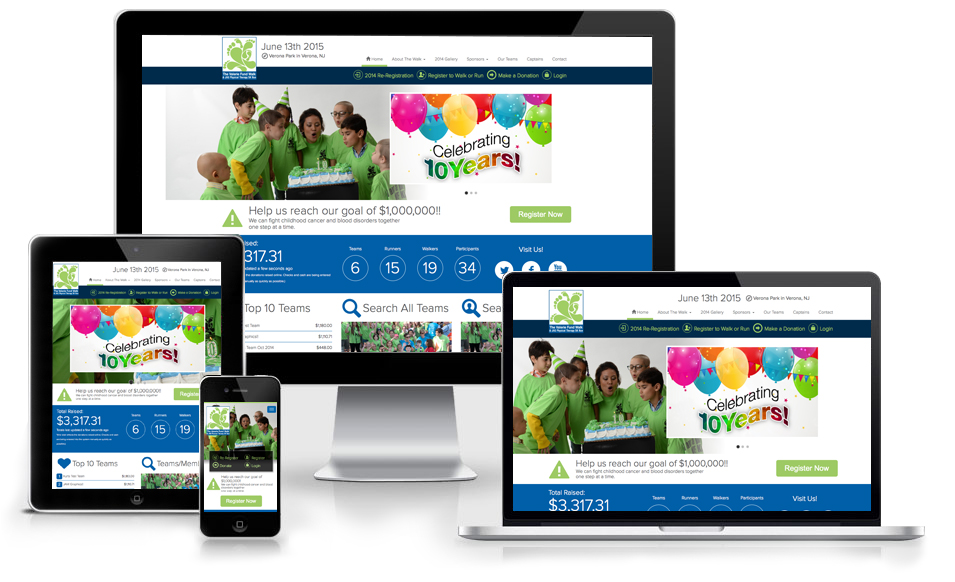
  1. Do you have a strong web site, mobile friendly, engaging etc.? Ultimately you’re going to want all move your customers to an action, and this will be either interacting with content or hopefully buying something. And that is likely to be on your website. So if your tweets or blogs are awesome, but your website is as engaging as a magnolia painted brick, you’re going to have problems. Sort out your website first!
    website
  2. What country are your audience in, and how does your target audience in these countries leverage and engage with the various digital channels today? This is a key consideration. Brasil for example are big on Social Media for B2C and B2B engagement. China have Weibo and don’t allow Youtube etc. So if Brazil is your target country and you were planning on using LinkedIn, you’re strategy may fail purely based on using the wrong channel. Identify your audience, where they are and what they use today.Digital snapshot
  3. What kind of content do you have/can you generate and how frequently? In this sound-bite consumption world, not all hooks catch a fish. So having frequent and different content types across the channels maximizes your chance of catching a prospective customer. Develop a content strategy, keep it simple and build in a resource plan to keep it current!(image source: http://www.garyhyman.com)contentwritingblog
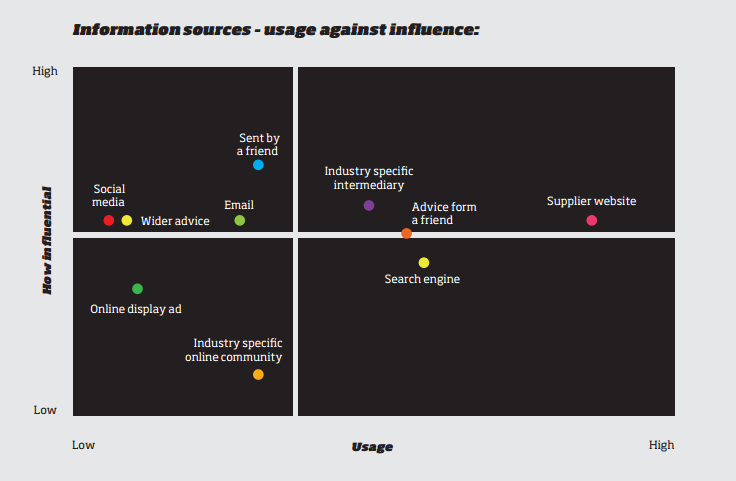
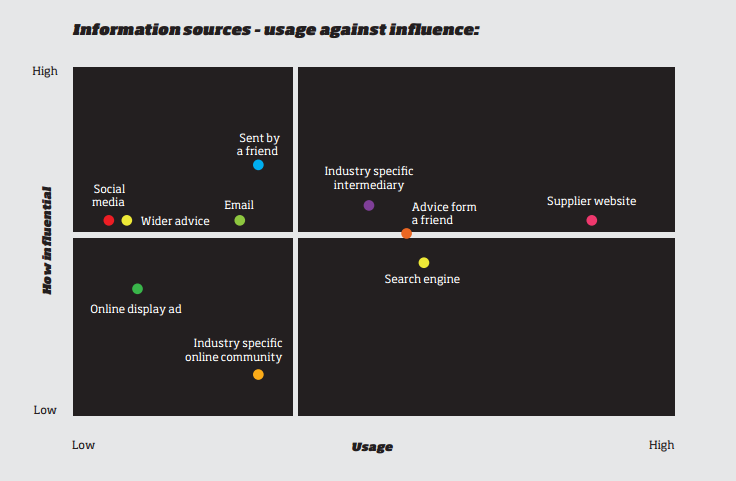
  4. Can you rank the digital channels by probabilities of successful engagement? Roll out your strategy on 1-2 channels first, gauge the customer engagement, and the commitment from your side to keep the content flowing, and then add in others as your experience and ability mature. My suggestion would be not to start with your highest ranked probability of success, but to start light and less obviously  (image source: http://www.smartinsights.com)Buyersphereb2breport2015influencevsusage
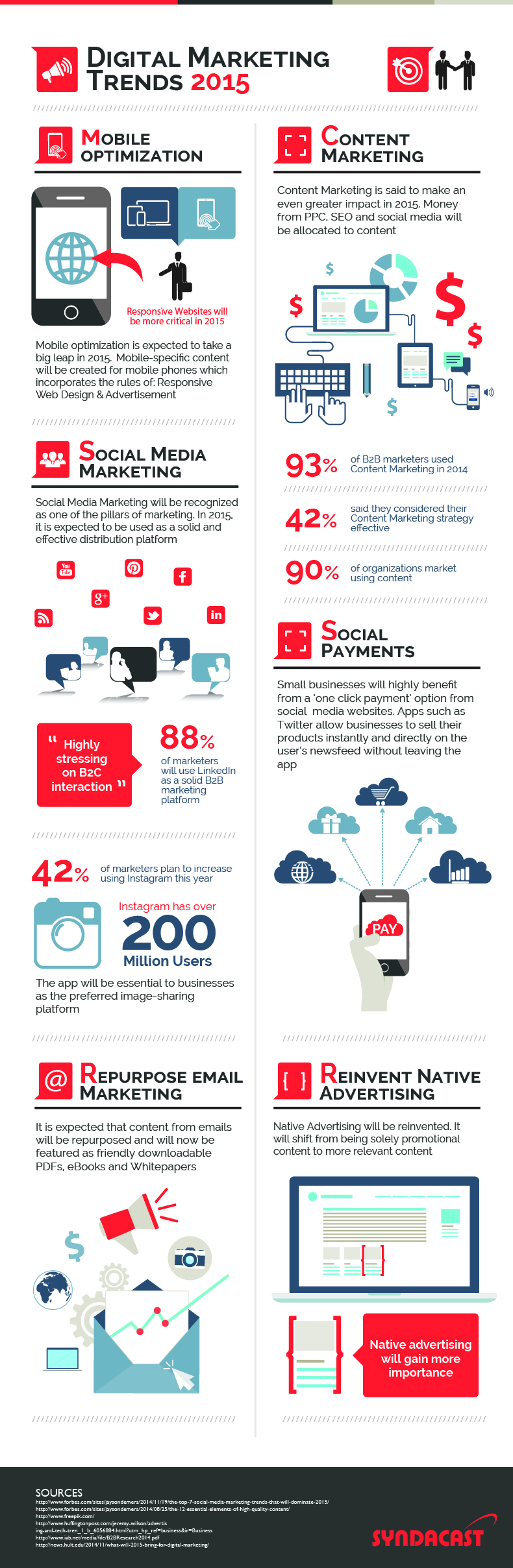
  5. Finally, are you aware of current and future trends? We have some very established social channels now, but new ones appear almost daily and you need to either corner the market on them for your brand immediately or keep close tabs to see how/if they blossom. Either way, you should have a cookie cutter approach to adopting new digital channels, such that you can swiftly execute an adoption plan.

2015-digital-marketing-trends--what-opportunities-lie-ahead_54978e613f9cd

I hope you found this of some use.

Catch you all soon.


It’s not what you think, but what ‘they’ think!

I recently stumbled across a great McKinsey report from 2013 that highlighted what top global B2B companies stated as impactful to their brand theme versus what their customer felt contributed to brand strength. Below is an extract of one of the tables in the report.

Brand strength

You’ll notice in the table that there’s an interesting trend in both graphs, namely on the left column (what B2B’s think was important) is almost completely opposite to that on the right (what customers found contributed to brand strength)!

I’m not sure I’m surprised by this, but it is a reminder that the sometimes corporate over-arching direction and/or messages – “…we’re he market leader”, “…we operate globally…” although may satiate the appetite of the CEO’s of the customers, do little to convince the purchasing power in the customers organisations the value of that vendor. However, engaging candidly and with transparency, delivering on time and having domain expertise does significantly contribute to brand engagement and probably (not stated) loyalty!

It’s a reminder that we all have opinions and views that play heavily on the definition and execution of our strategies, but the need to sense check what we think they want is actually what ‘they‘ want.

Does the tail wag the dog?

I’ve spent a number of years in industry, and in that time have been involved with a number of projects that revolved around asking the ‘customer’ what they need, only to find out once the project was delivered, that they didn’t use what they said they needed!

Now I’ve also seen numerous examples of where build it and they will come have also failed to deliver, maybe because not enough time was given to the change in habit to get people to adapt to the new ‘thing’ or, it just simply completely missed what the customer needs actually were.

So I now subscribe to the following approach to delivering new concepts:

  1. Trust – Don’t ask! Conceive the idea then sense check with people you respect and trust
  2. Flexibility – Choose a platform/approach that is flexible and adaptable
  3. Speed – Deliver the concept quickly. Go live with the minimum amount of content
  4. Iterate – Talk to a small group of your customers to direct further iterations
  5. Refresh – Flush the concept annually to ensure freshness to the approach